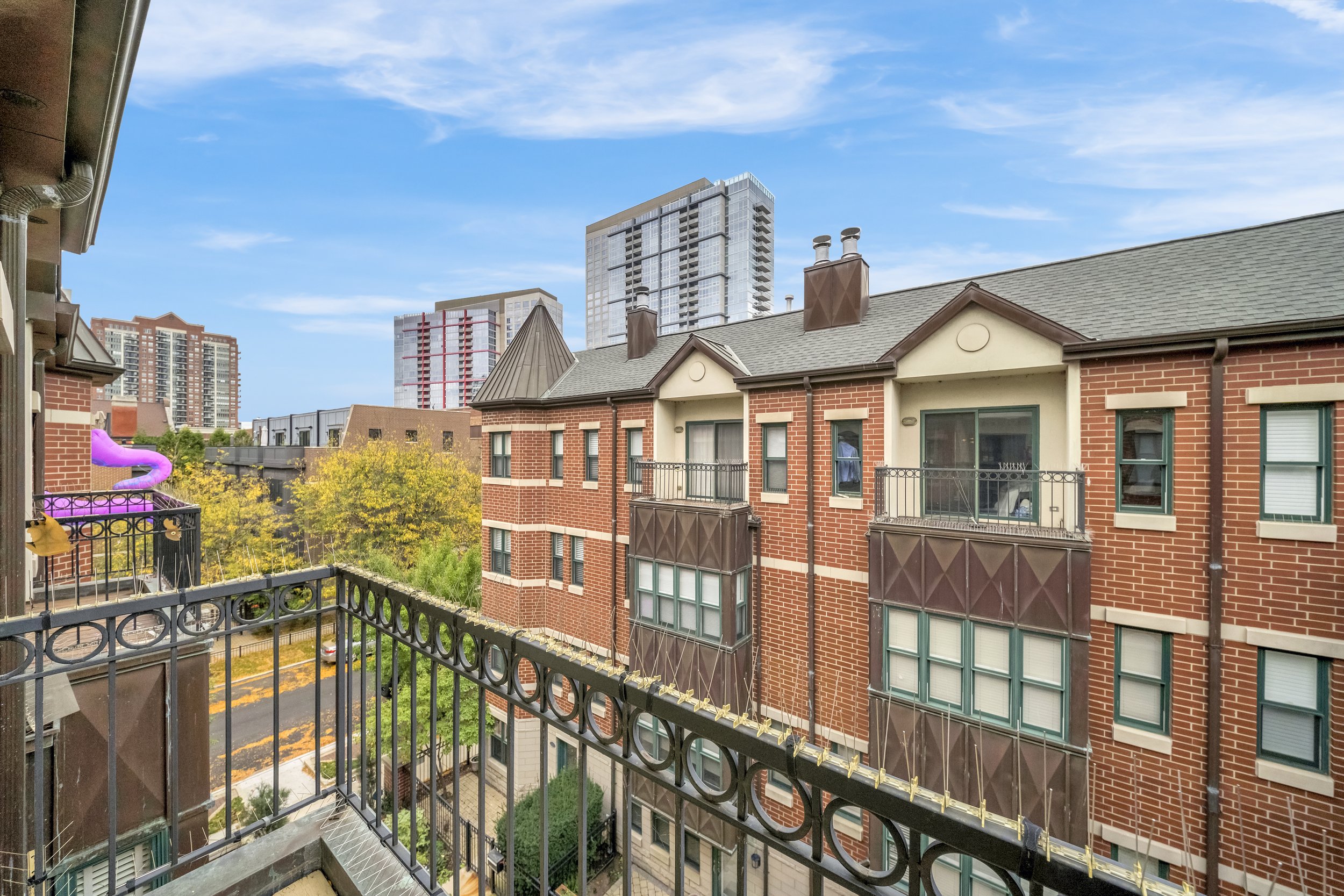


Most people who move to the South Loop from the suburbs are after the same two things: time and access. They are tired of the drive, and they want the lake, the museums, and downtown closer than a weekend trip. The house-for-condo swap is real, and I won’t pretend otherwise. What surprises people is how fast the day-to-day starts to feel normal, and how much of what they used to drive downtown for is now a short walk away. I moved here in 2003 and never left, so here is a straight look at what actually changes, morning to night, when you trade a suburban house for a place in the South Loop.
Your Morning Routine Looks Different
The first change most transplants notice is how the day starts. In the suburbs, mornings are built around the car. Here they are built around your feet and the train, and that shift tends to be the one people end up valuing most.
Trading the Car Commute for the Walk or the Train
The suburban commute usually means a garage, a highway, and a piece of the day you never get back. From the South Loop, a lot of downtown jobs are a walk or a single stop away. The Red, Green, and Orange Lines all serve the neighborhood, and Metra stops at Roosevelt, so getting into the Loop, or back out to the suburbs to visit, is simple. Plenty of households that arrive with two cars end up keeping one, or none, once they see how little they actually drive. The point is not that you give up your car. It is that you stop planning your morning around it.
Coffee, the Lakefront, and Starting the Day on Foot
On a good morning you can be on the Lakefront Trail before work, lake on one side and skyline on the other, then head back for coffee and into the day. Small errands that used to mean getting in the car, the pharmacy, the dry cleaner, a quick grocery run, turn into things you handle on foot. It sounds minor until you live it. Starting the day outside instead of behind a windshield changes the whole rhythm.
Space, Storage, and Rethinking How You Live
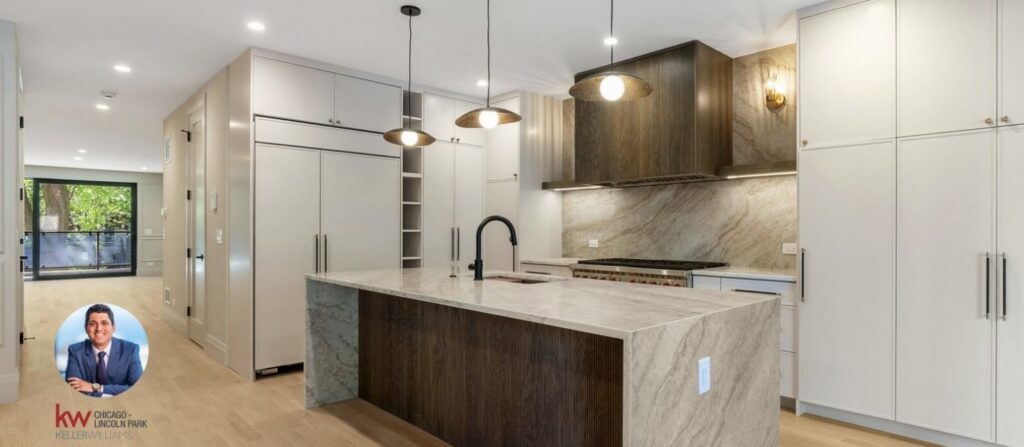
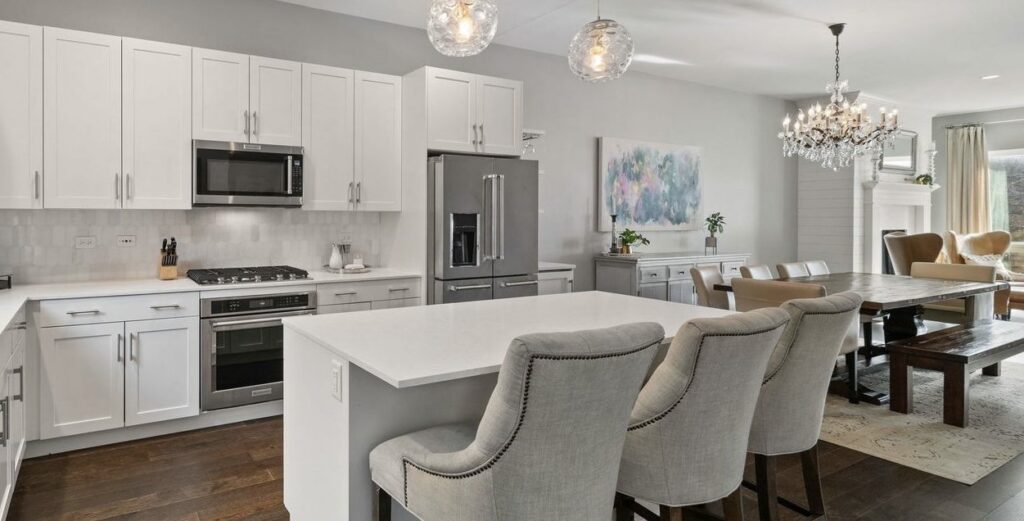
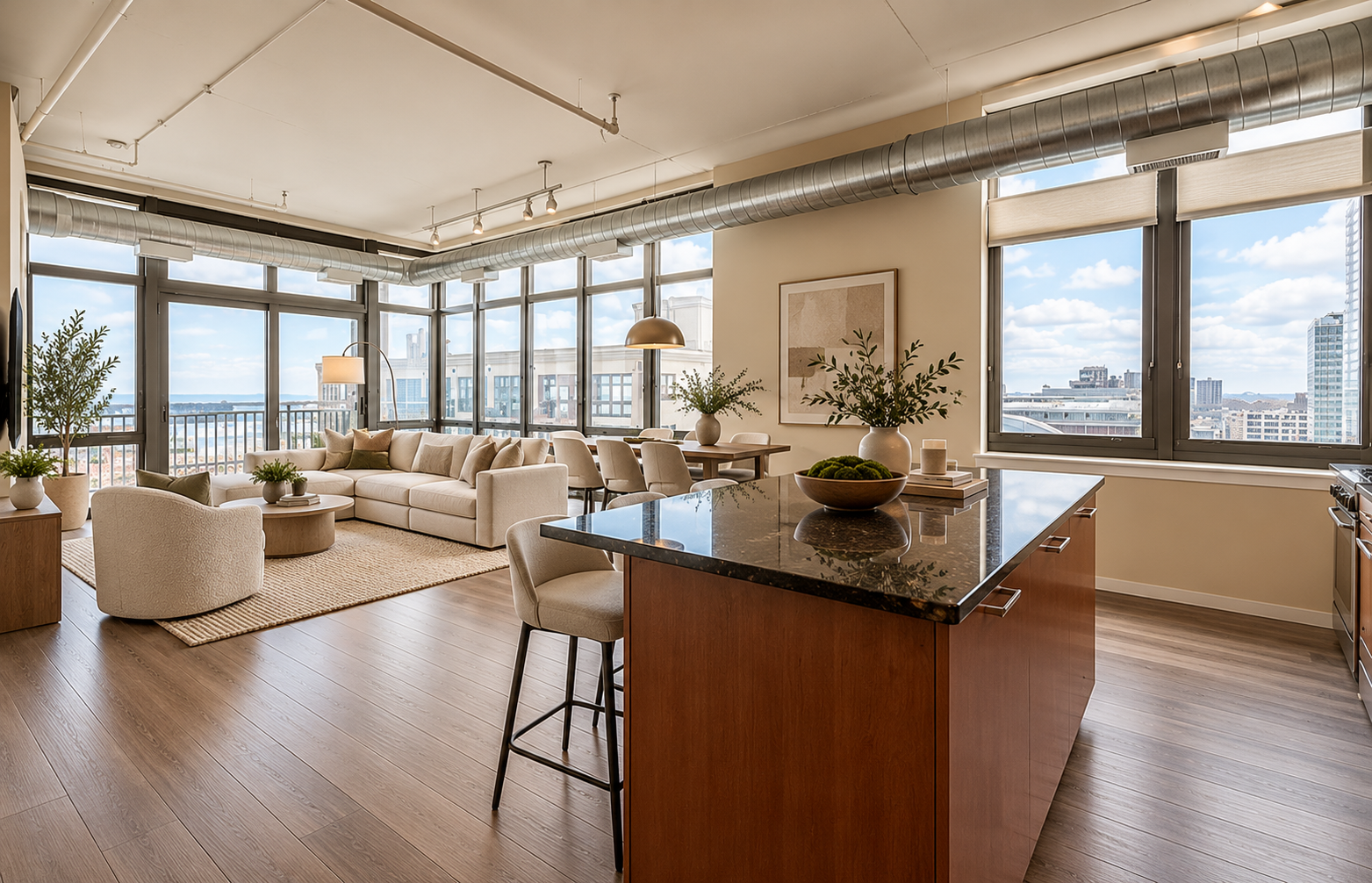
The real trade in this move is square footage. A suburban house gives you rooms you might not think about until you leave them: a basement, a garage, a yard. A South Loop condo or loft asks you to live differently, usually up rather than out, and for most people that is less of a loss than they expect. Buildings here often fold in what a house keeps private, a gym instead of a home setup, a roof deck instead of a backyard, a party room for the gatherings that used to fill your living room. Storage and parking are worth sorting out early, since they vary building to building rather than coming standard. The housing itself gives you room to choose: a Printers Row loft with timber beams and tall windows lives very differently from a high-rise unit or a townhome, so the space question has more than one answer. Moving to the South Loop works best when you decide what you truly use day to day, then find the layout that fits it.
Evenings, Weekends, and What’s Suddenly at Your Doorstep
The payoff shows up after work and on weekends. The things suburban families load the car for and drive downtown to see are, from here, part of an ordinary week.
Culture, Sports, and Green Space Within Reach
The Museum Campus, home to the Field Museum, the Shedd Aquarium, and the Adler Planetarium, sits a short walk south along the lake, with Soldier Field right there for a game or a show. Grant Park is essentially the neighborhood’s front yard, and it hosts Taste of Chicago, the Blues Festival, and Lollapalooza each year. The rest of the time it is open green space and Buckingham Fountain. When all of that is within reach on foot, you stop treating it as a special outing and start dropping in on a whim.
Dining, Nightlife, and a Walkable Social Life
Dinner on Wabash or in Printers Row does not come with a designated driver or a long ride home. The theater district is a quick hop north, and a neighborhood you can cross on foot quietly changes how often you go out, because the friction is gone. You are far more likely to meet friends on a Tuesday when it means a ten-minute walk instead of a half-hour drive each way.
What to Plan for Before You Make the Move
None of this is complicated, but a few practical things catch suburban buyers off guard. Sorting them out before moving day keeps the transition smooth.
- Parking: confirm whether your building includes a space, charges extra for one, or expects you to live without it.
- Assessments: understand what the monthly covers, since it often replaces bills you used to pay separately.
- Downsizing early: decide what furniture and belongings actually fit before you pack them.
- Family logistics: sort out schools and daily routines if you are moving with kids.
- Pets: check building rules and map your nearest green space and walking routes.
- Deliveries: learn how your building handles packages, since there is no front porch waiting for them.
- Your building community: get to know the board, the amenities, and the rules that come with condo living.
Picture the Day Before You Pick the Place
This move is a lifestyle change first and a real estate decision second. The condo matters, but what makes or breaks it is whether the daily rhythm fits you, and you only really know that by walking the neighborhood and picturing a normal Tuesday in it. I have lived in the South Loop since 2003, and I am glad to walk you through it plainly, the upsides and the trade-offs both, and help you match the move to your real routine. If you are weighing it, book a call and let’s talk it through. No pressure, ever.