
Some buyers start their search near the lake or up north and end up in Bridgeport almost by accident. They come down for one showing, walk a few blocks, and start rethinking what they thought they wanted. It surprises people. Bridgeport is one of the oldest neighborhoods in Chicago, quiet and residential, close to the river and the ballpark, and it does not announce itself the way some areas do. I work the near south side from my home in the South Loop, and Bridgeport is one of the places I find myself explaining most. So here is a clear picture of what it actually is and why the search keeps leading south of the Loop.
What Bridgeport Actually Is
Bridgeport is one of the oldest parts of Chicago, and it still feels like a place where people know their block. It sits along the South Branch of the Chicago River, proudly residential, tight-knit, and close enough to downtown that the Orange and Red Lines put you in the South Loop or the Loop in minutes. For a long time it was known mostly as a working neighborhood with deep roots and a long memory, and that has not gone away. What has changed is who is showing up alongside the longtime families: more artists, more younger buyers, more people who want a real neighborhood without moving far from the center of the city. It is not a place trying to reinvent itself. It is a place that already knows what it is, which is a big part of the appeal.
The Housing Is a Big Part of the Draw
A lot of what pulls buyers to Bridgeport comes down to the homes themselves. They look and live differently from what you find closer to the lake, and that difference is usually the thing that turns a casual visit into a serious search.
Classic Chicago Housing Stock
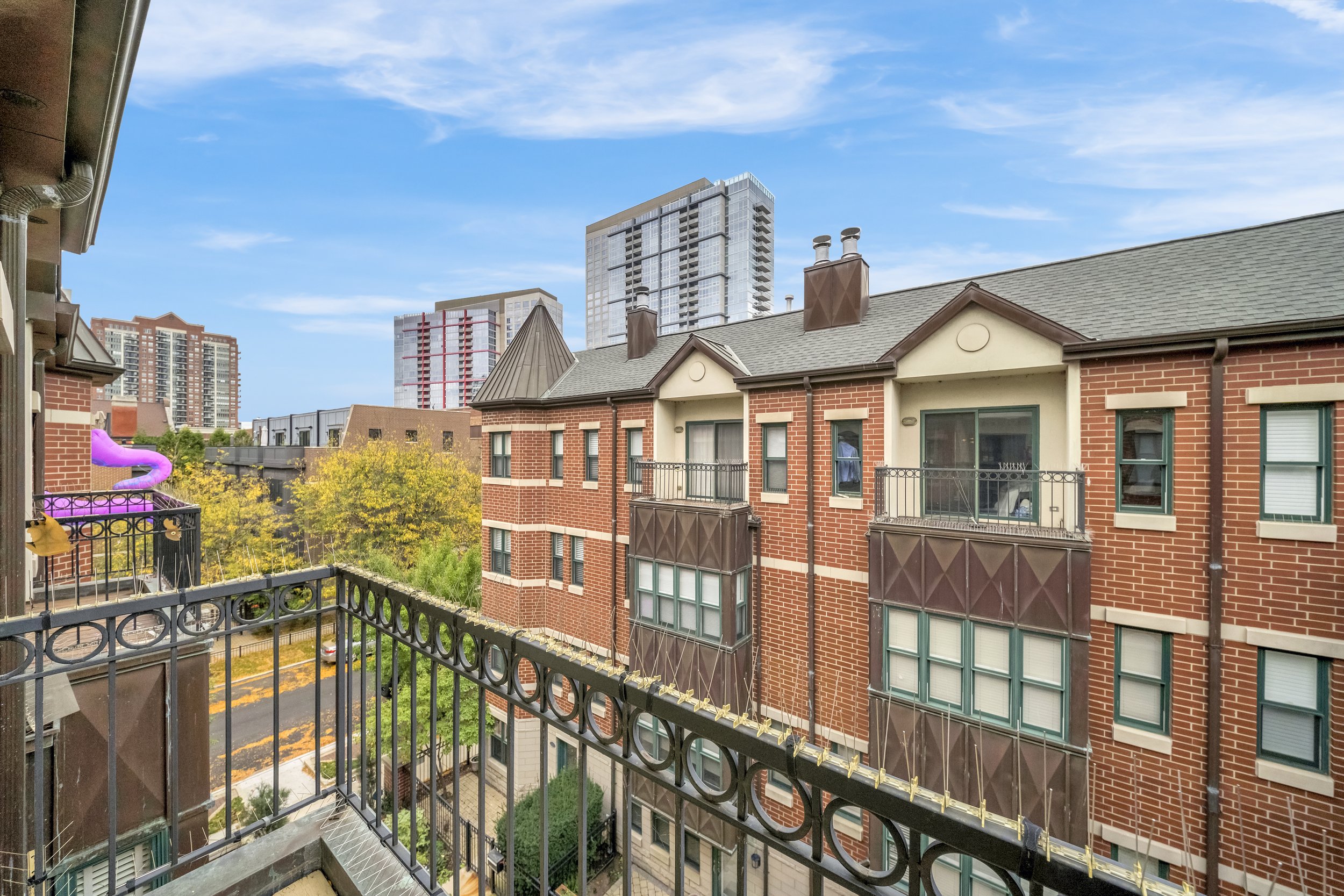
Bridgeport is a brick-and-mortar neighborhood in the truest sense. Two-flats, workers’ cottages, and bungalows line the side streets, many of them held by the same families for generations and built to last. For buyers coming from a condo or a smaller place up north, the square footage and the yards register quickly. The multi-unit stock is a real draw too: a two-flat lets you live in one unit and rent the other, which makes the math work for owner-occupants and first-time investors who want the building to help pay for itself.
New Construction and Rehabs in the Mix
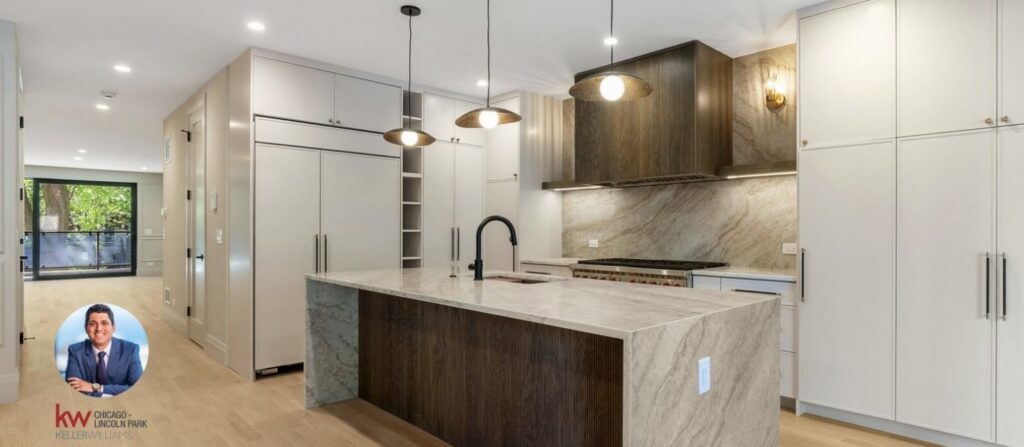
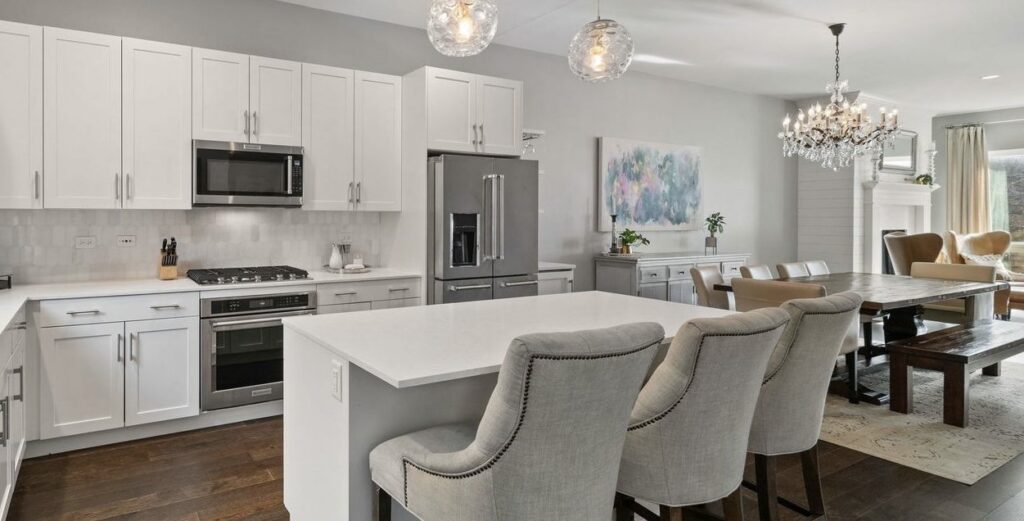
The neighborhood is not frozen in time. Gut-rehabbed homes and new infill construction have added modern layouts and updated systems, so you are not stuck choosing between character and comfort. Some buyers want the vintage details and are happy to take on a project. Others want to move in and unpack. Bridgeport has enough of both that the neighborhood works for more people than its old reputation suggests, and that range is a real part of why the search keeps landing here.
The Everyday Life That Comes With It
Buyers rarely move for the house alone. Bridgeport’s daily life is a genuine part of why they look here, and it has a texture that is hard to fake in a newer area.
Parks, the River, and Palmisano Park
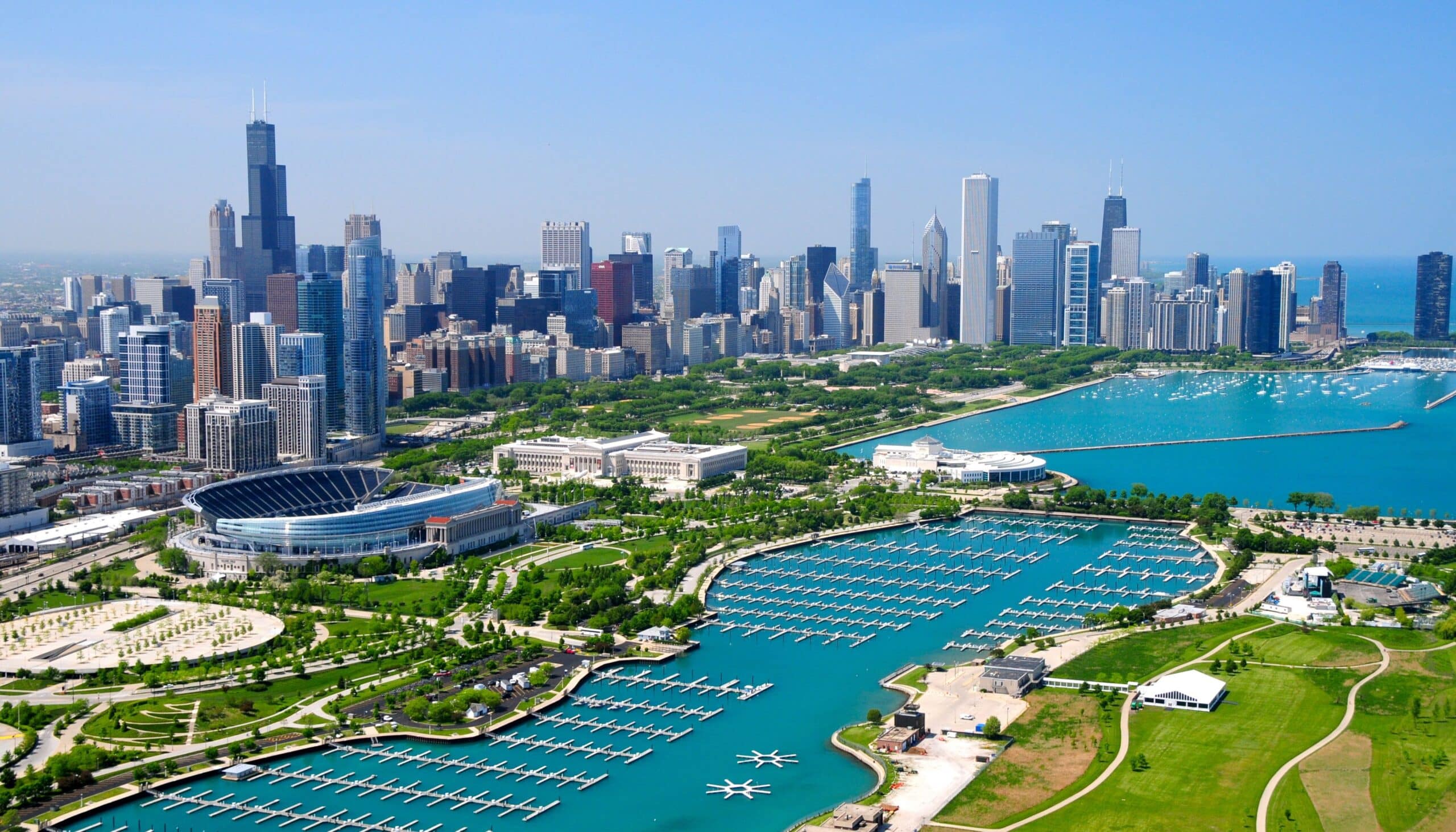
Palmisano Park is the one that tends to seal it. It is a reclaimed limestone quarry turned into a hillside park, with fishing ponds, prairie paths, and one of the best skyline views on the South Side. The river’s South Branch wraps the edge of the neighborhood, with riverside paths and water views that shaped Bridgeport’s character long before anyone called it a selling point. This is green space that feels earned rather than manicured, and it gives the neighborhood a kind of room to breathe you do not always get this close to downtown.
Food, Culture, and Game Days
Halsted and Morgan carry the neighborhood’s mix of old-school taverns, longtime bakeries, and newer kitchens, so a night out can lean traditional or fresh depending on your mood. The Bridgeport Art Center, set in a converted riverside warehouse, pulls makers and galleries into the neighborhood and hosts events that keep the creative side active. And on a summer afternoon, White Sox baseball is just up the road at the ballpark. It is a neighborhood where decades of tradition and recent arrivals sit side by side without much friction.
Is Bridgeport Right for You?
Bridgeport fits some buyers better than others, so it helps to think through what you actually want before you tour. These are questions worth sitting with, not rules, just a way to tell whether the neighborhood matches how you plan to live.
- Do you want more square footage and a yard over walk-to-the-lake proximity?
- Are you open to a two-flat or multi-unit home, either to house-hack or to invest?
- Do you prefer a settled, residential feel over nightlife right at your doorstep?
- Are you comfortable leaning on the Orange or Red Line, and a car for some trips?
- Do you value vintage character, or do you want a home that is fully move-in-ready?
- Is being close to the river, the parks, and the ballpark a real plus for your week?
- Are you buying for the long term and putting down roots, or expecting to move again soon?
If you found yourself nodding at most of those, Bridgeport is worth a serious look. If you hesitated on the transit and the residential pace, that is useful to know too, and it is exactly the kind of thing a walk through the neighborhood sorts out fast.
See the Neighborhood for Yourself
Photos only get you so far with a place like this. The best way to understand Bridgeport is to walk it, up the hill at Palmisano Park for the skyline, then along Halsted to feel the pace and see how much neighborhood you actually get for the money. I work the near south side from my base in the South Loop, and I am glad to show you around, point out what holds its value, and help you decide honestly whether it fits. If you are curious, book a call and let’s set up a look. No pressure, ever.