If you’re wondering what it’s really like to live in Chicago’s South Loop, the answer comes down to one word: balance.
It’s a neighborhood that combines lakefront access, green space, and city convenience — all within a few blocks.
If you’re thinking about moving to the South Loop, most people start in the same place.
They’ve walked along the lakefront on a nice day. Maybe grabbed coffee after a run through Grant Park. Maybe spent time around Museum Campus and thought, I could actually live here.
And that’s usually the hook.
But what keeps people in the South Loop — and why so many end up staying longer than they expected — is how livable it feels day to day.
You can start your morning on the lakefront trail, walk to get coffee, and still be downtown in minutes. Your “backyard” includes some of the best outdoor space in the city — from Grant Park to Museum Campus to the lakefront itself.
There’s space to breathe, but you’re never far from the energy of the city.
Over time, something else becomes clear.
The neighborhood has a rhythm.
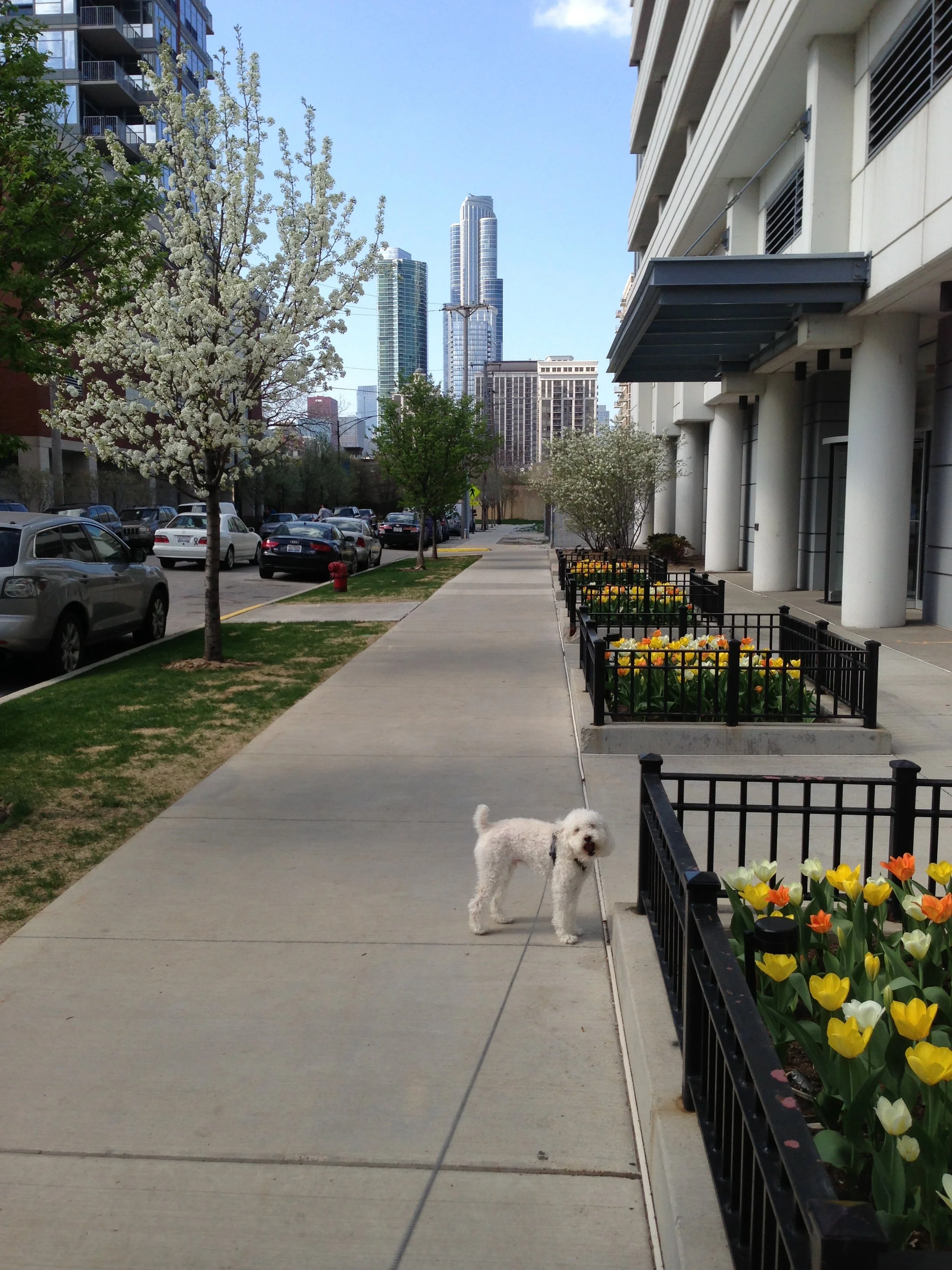
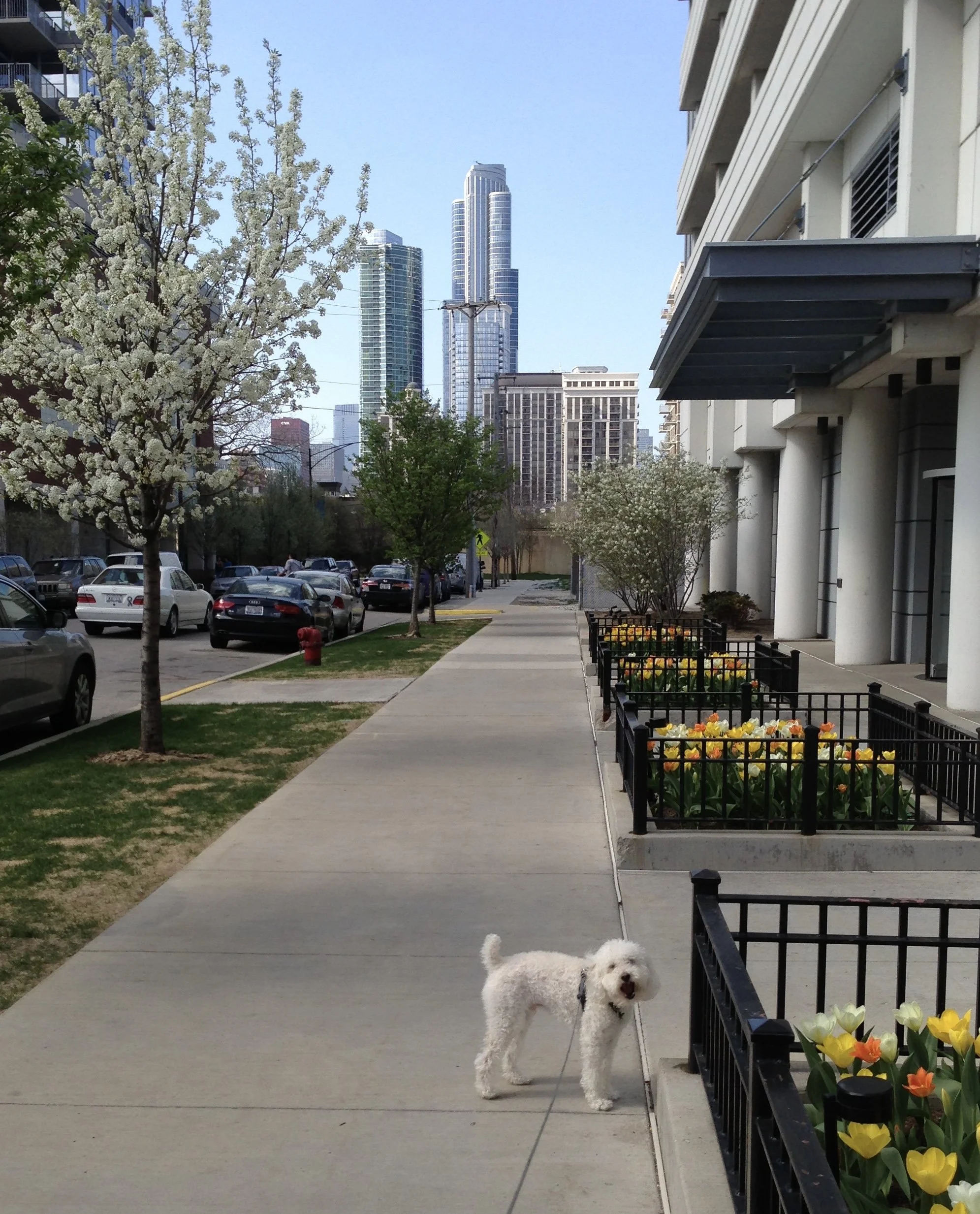
You start to recognize familiar faces at the dog park. Weekend farmers markets become routine. You find local spots you go back to again and again. It doesn’t feel transient — it feels like a place people actually settle into.
What many buyers don’t realize at first is this: not all of the South Loop feels the same.
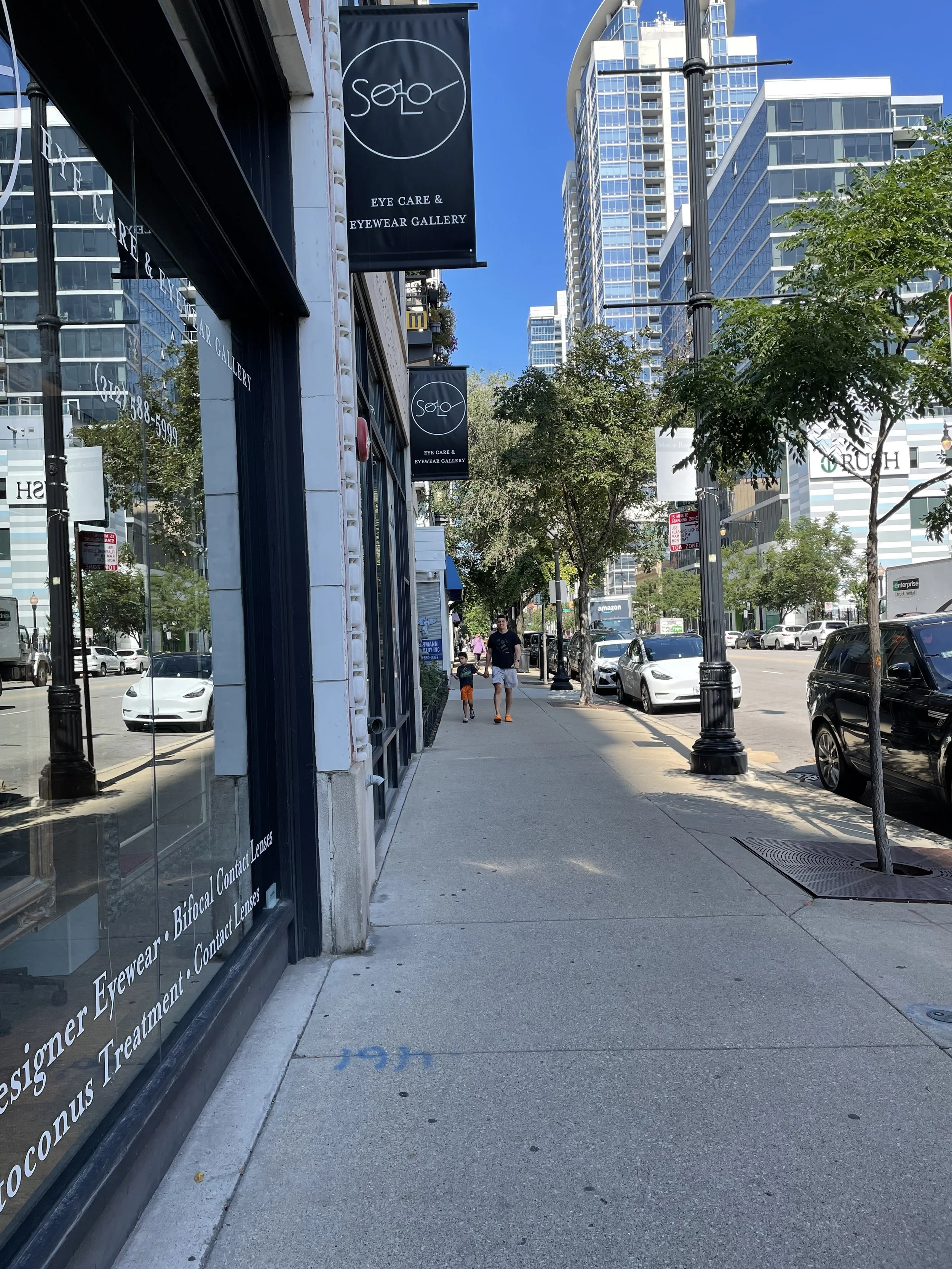
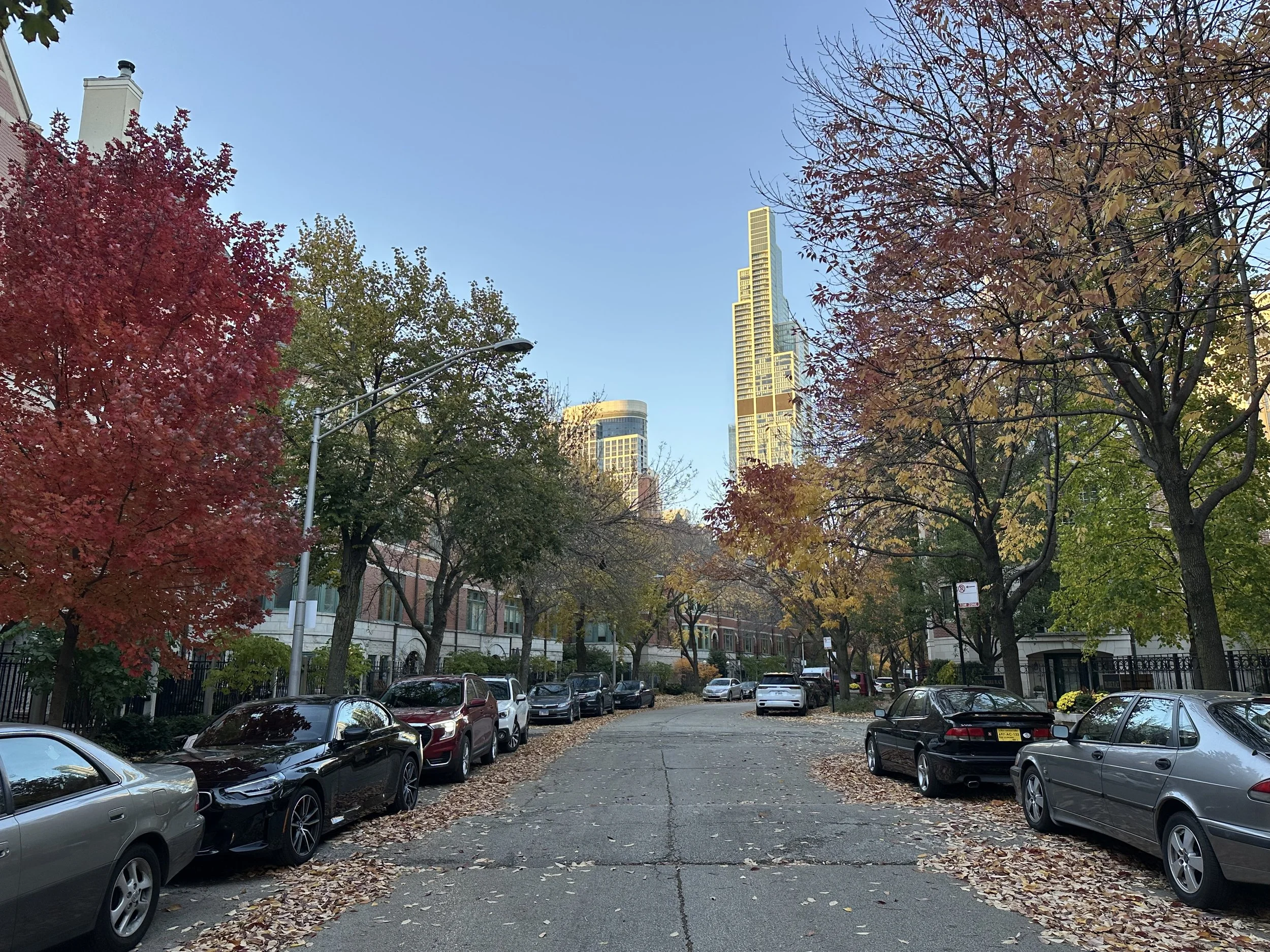
A condo near Roosevelt might feel busy and connected — closer to downtown energy, transit, and retail. Just a few blocks away in the Prairie District, the atmosphere shifts. It’s quieter, more residential, and more tucked away.
Same neighborhood — completely different experience.
That’s why choosing the right micro-location matters just as much as choosing the neighborhood itself.
The buildings tell a similar story.
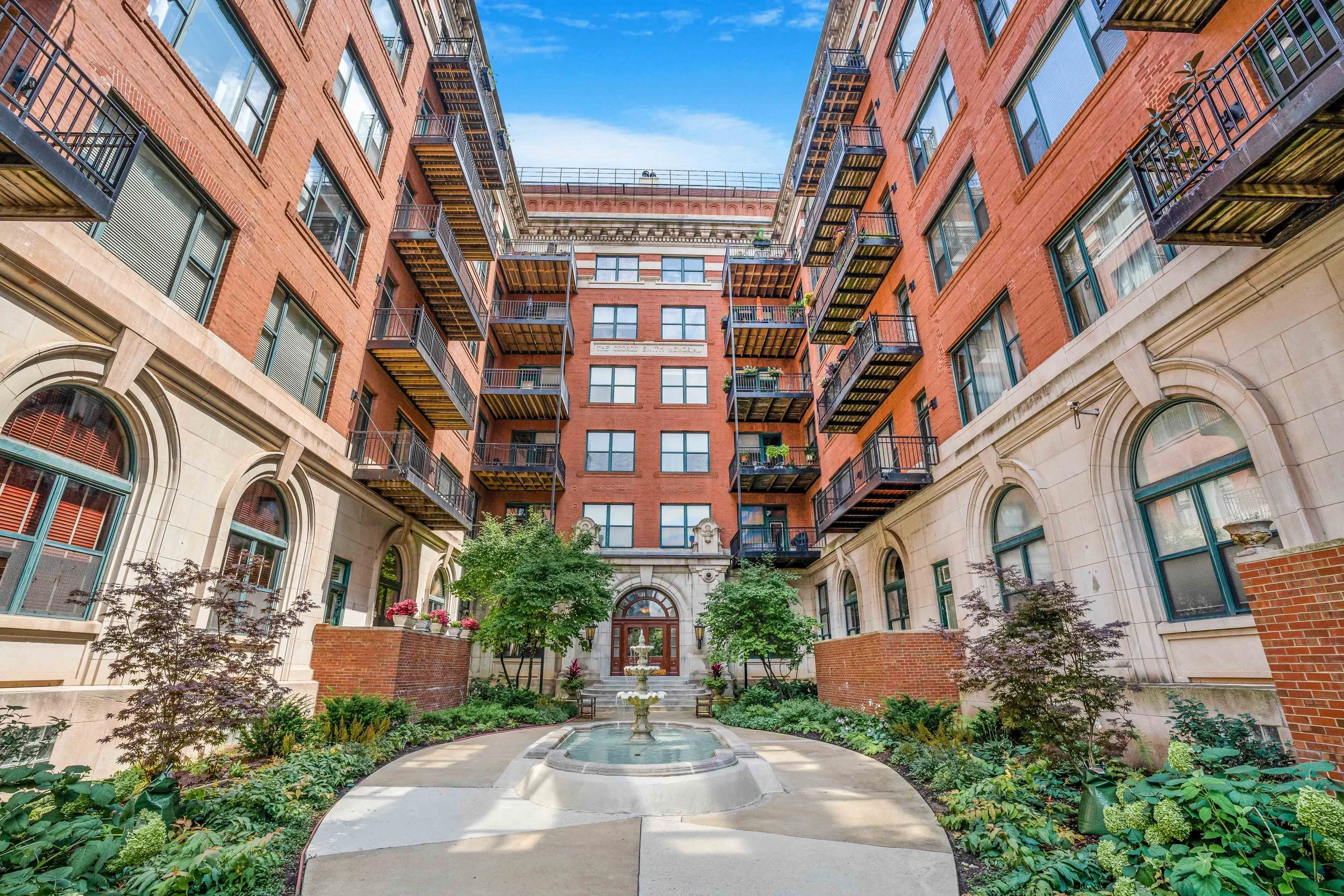
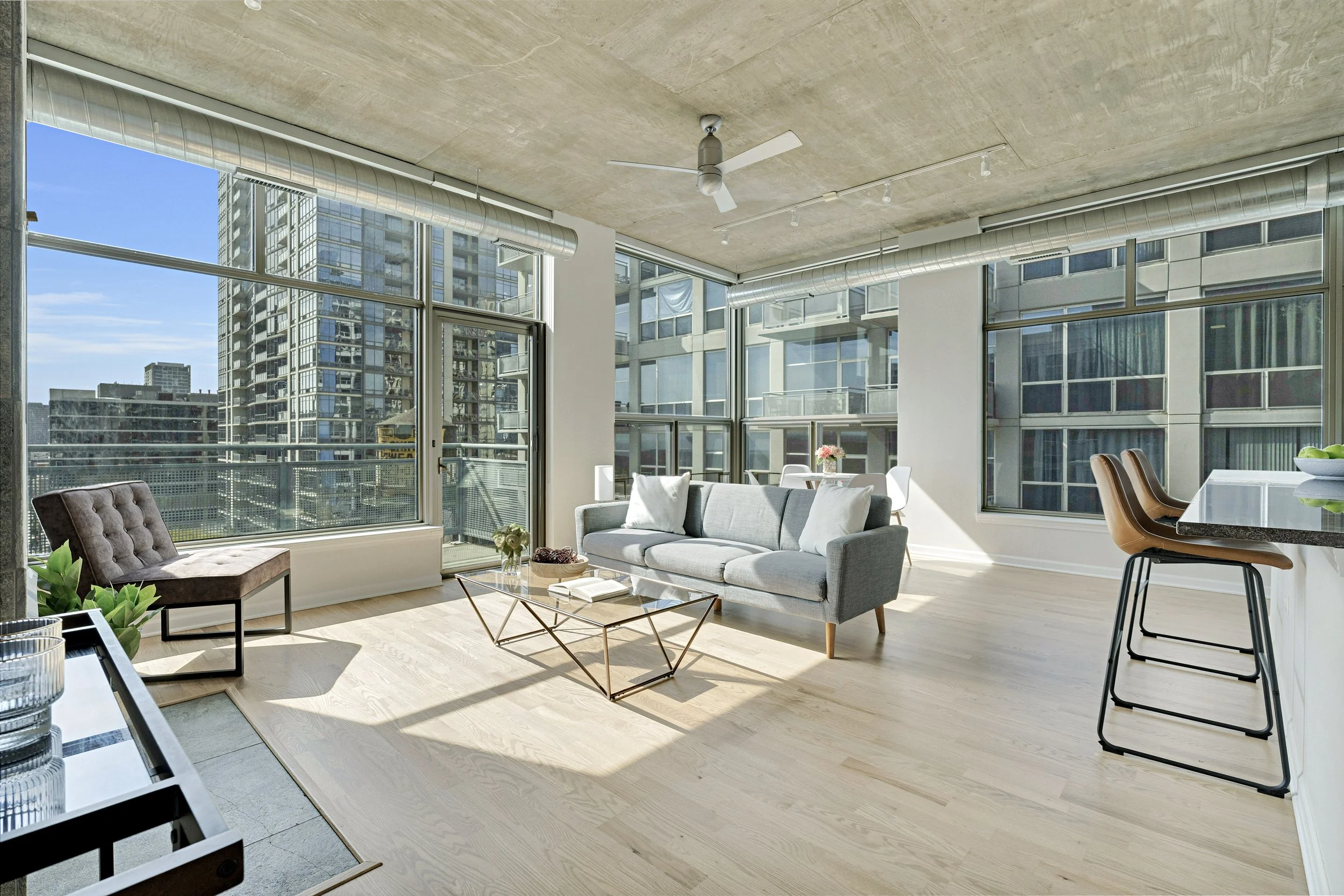
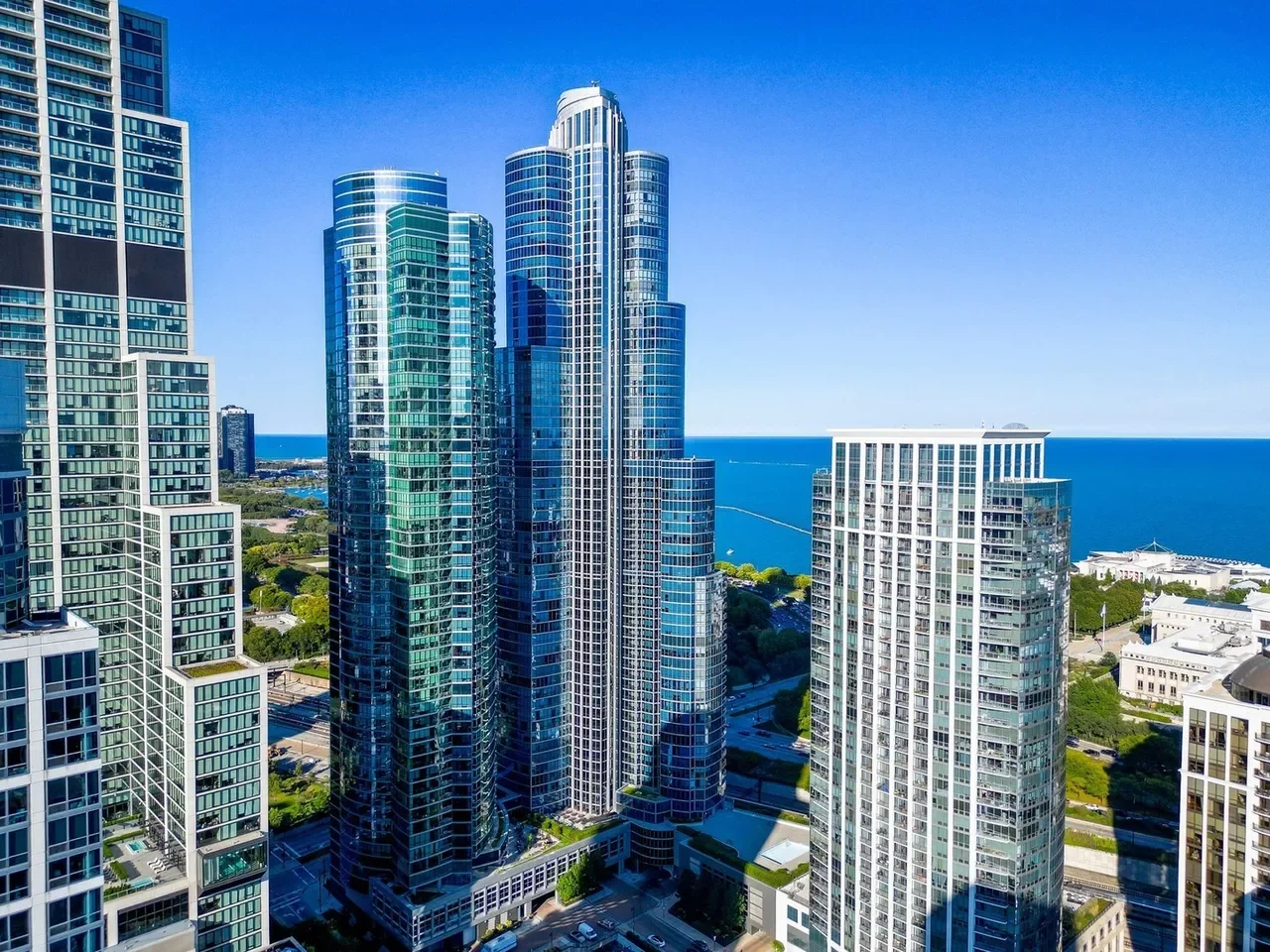
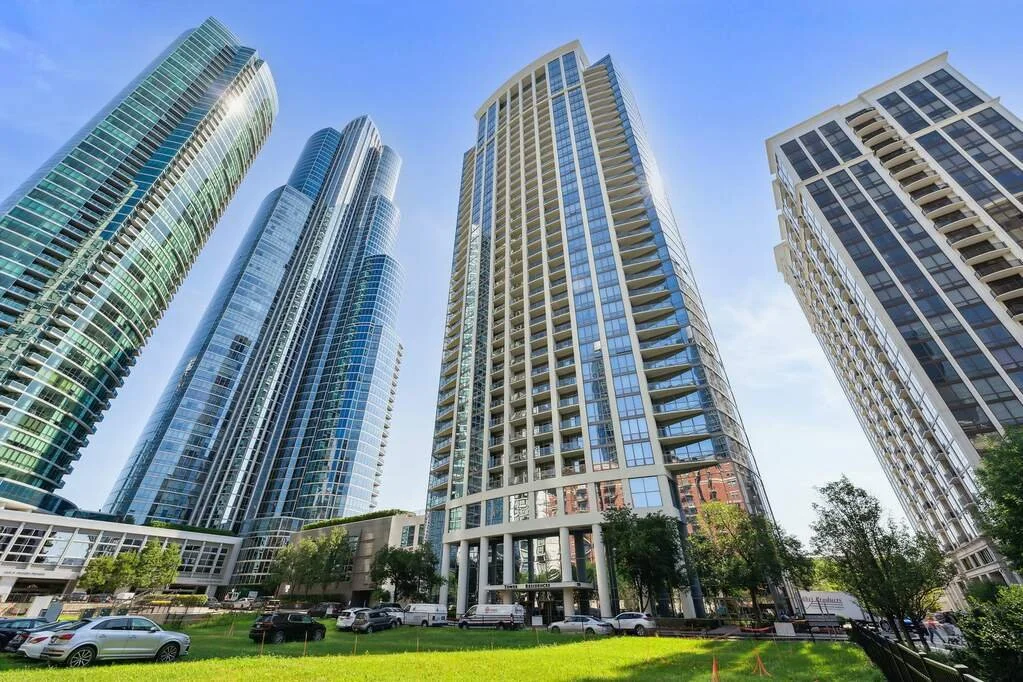
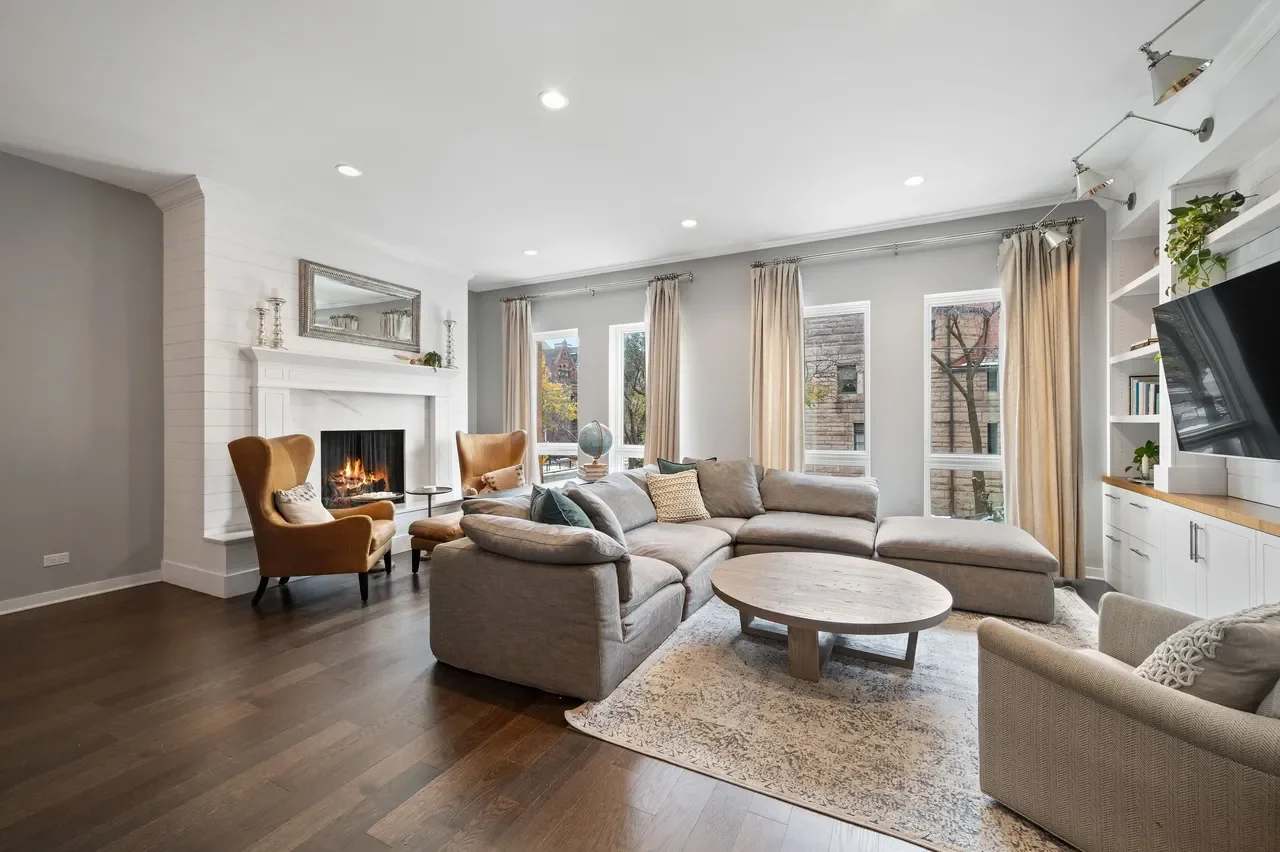
The South Loop offers a unique mix of architecture and housing options — historic lofts, full-amenity high-rises, and quieter townhome pockets — often within close proximity. While listings may look similar online, differences in management, financial reserves, and overall building culture can significantly impact your experience as an owner.
What should you know before moving to the South Loop?
Focus on more than just the unit — evaluate the building, the block, and how the location fits your day-to-day lifestyle.
The buyers who end up happiest here aren’t just choosing the South Loop — they’re choosing the right part of it, and the right building within it.
If you’re starting to explore the area, having a local perspective can make a meaningful difference.
If you’d like guidance on specific buildings, pockets of the neighborhood, or what to look for (and avoid), I’m always happy to share insight and help you find the version of the South Loop that fits you best.
📌 Common Questions About Living in the South Loop
Is the South Loop a good place to live in Chicago?
Yes! The South Loop is known for its balance of lakefront access, green space, and proximity to downtown. It offers a mix of housing options and a more livable, neighborhood feel compared to other central areas.
What is the South Loop known for?
The South Loop is known for Grant Park, Museum Campus, lakefront access, and its mix of modern high-rises and historic loft buildings - giving it a neighborhood feel in the heart of the city near beautiful Lake Michigan.
Are all parts of the South Loop the same?
No. Different pockets of the South Loop offer very different experiences. Areas near Roosevelt are more active and connected, while sections like the Prairie District feel quieter and more residential.
What types of homes are in the South Loop?
The neighborhood includes high-rise condos, loft conversions, and townhomes — offering a wide range of options depending on lifestyle and preferences.
What should I look for when buying in the South Loop?
In addition to the unit itself, buyers should evaluate the building’s financial health, management, amenities, and how the specific location fits their lifestyle.